

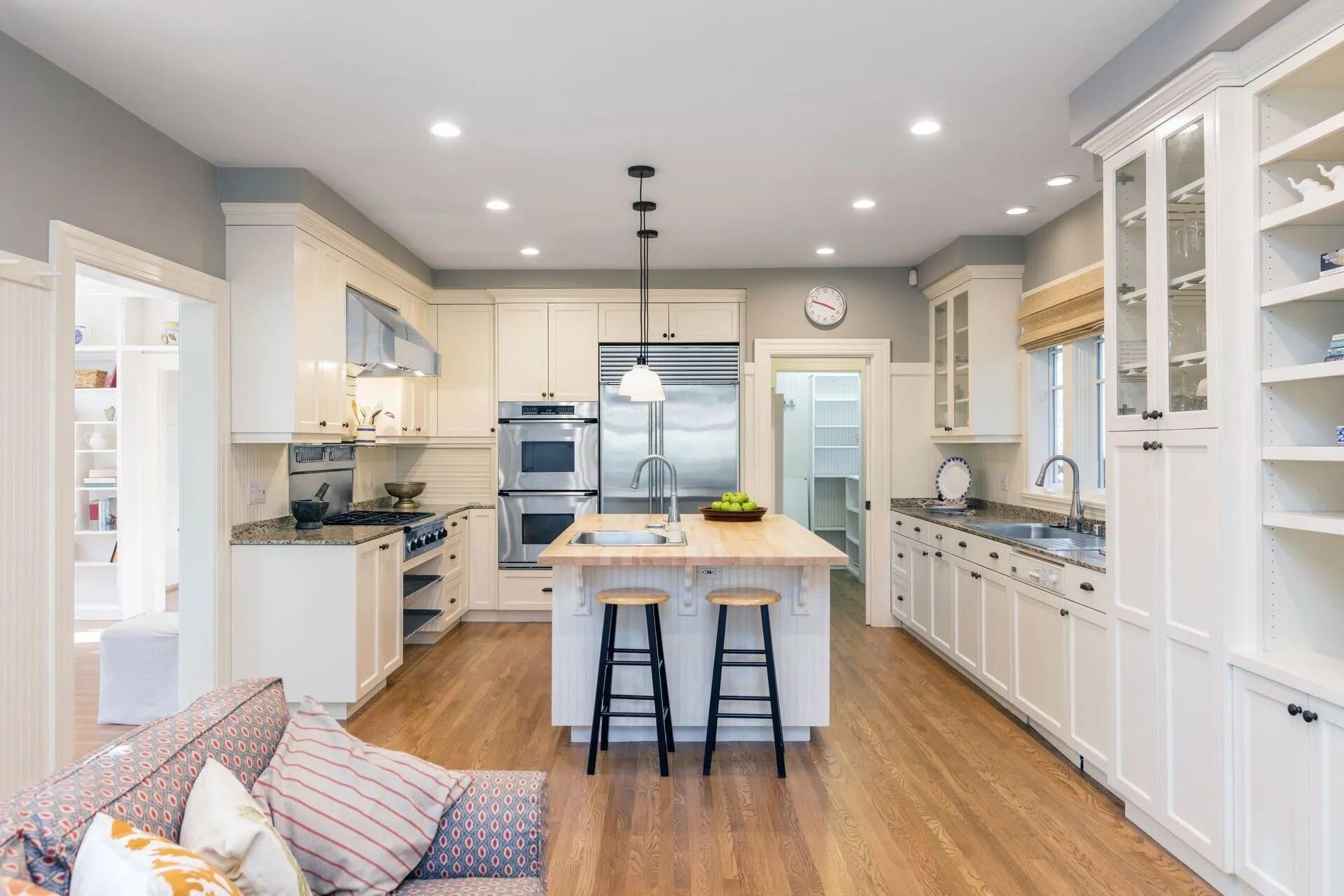
Hardwood flooring is one of the most sought-after flooring choices for homeowners because of its warmth, character, and long-term value. But when it comes to kitchens, many homeowners hesitate. Kitchens experience spills, moisture, dropped utensils, and heavy foot traffic, leading many people to wonder whether hardwood is a practical choice.
At Wood Brothers Carpet, homeowners throughout Chico, Durham, Oroville, Paradise, Magalia, Orland, Corning, and Forest Ranch frequently ask whether hardwood can truly hold up in a kitchen. The answer is yes—but success depends on choosing the right product, understanding the maintenance requirements, and having realistic expectations about daily wear.
If you're considering hardwood flooring in your kitchen, here's what you should know before making your decision.
Why Homeowners Love Hardwood in Kitchens
Hardwood flooring creates a timeless and inviting look that many homeowners prefer over other flooring materials.
Benefits of hardwood in kitchens include:
A warm, natural appearance
Seamless transitions into adjacent living areas
Increased home appeal
Long-term design flexibility
A comfortable surface underfoot
As open-concept floor plans continue to be popular throughout North State homes, many homeowners appreciate the visual continuity hardwood provides between kitchens, dining rooms, and living spaces.
The Biggest Challenge: Moisture
The primary concern with hardwood flooring in kitchens is moisture.
Unlike living rooms or bedrooms, kitchens face daily exposure to:
Water spills
Cooking splashes
Refrigerator leaks
Dishwasher issues
Wet shoes entering from outside
Wood naturally responds to moisture by expanding and contracting. Excessive exposure can lead to:
Warping
Cupping
Gapping
Finish damage
This doesn't mean hardwood should be avoided in kitchens—it simply means moisture management becomes more important.
Engineered Hardwood vs. Solid Hardwood in Kitchens
One of the most important decisions you'll make is choosing between solid hardwood and engineered hardwood.
Why Engineered Hardwood Often Performs Better
Engineered hardwood features a real wood surface layer combined with multiple layers beneath it. This construction improves dimensional stability and helps reduce movement caused by humidity and temperature changes.
Benefits of engineered hardwood in kitchens include:
Greater stability
Better moisture resistance than solid hardwood
Wider plank options
Compatibility with more subfloors
Many flooring professionals recommend engineered hardwood for kitchen installations because it offers the beauty of real wood with improved performance.
Homeowners can compare styles and constructions by exploring hardwood flooring options.
When Solid Hardwood Can Work
Solid hardwood can still be a successful kitchen flooring option in the right environment.
It may be appropriate if:
Indoor humidity remains relatively stable
Spills are addressed quickly
Proper maintenance practices are followed
The homeowner understands the potential for natural movement
Many homeowners appreciate the refinishing potential and longevity that solid hardwood offers.
Choosing the Best Hardwood Species for Kitchens
Some hardwood species are naturally better suited to kitchen environments than others.
White Oak
White oak remains one of the most practical choices because it offers:
Excellent durability
Strong resistance to wear
Timeless visual appeal
Compatibility with a wide range of design styles
Hickory
Hickory is another excellent choice for active households.
Benefits include:
Higher hardness ratings
Excellent dent resistance
Distinctive grain patterns that disguise wear
Maple
Maple provides a clean, refined appearance and strong durability, making it suitable for many kitchen applications.
Choosing a durable species can help your kitchen flooring withstand everyday activity more effectively.
Hardwood Finishes Matter in Kitchens
The finish you choose plays a major role in how hardwood performs and how much maintenance it requires.
Matte Finishes
Matte finishes have become increasingly popular because they:
Hide scratches better
Minimize visible dust
Reduce glare
Create a natural appearance
Satin Finishes
Satin finishes remain a favorite because they offer:
A balanced level of sheen
Good durability
Easy maintenance
Broad design appeal
Gloss Finishes
While gloss finishes can create a dramatic appearance, they often reveal:
Scratches
Footprints
Dust
Everyday wear
For most busy kitchens, matte and satin finishes are generally the more practical options.
Maintenance Tips for Hardwood Kitchen Floors
Hardwood flooring can perform well in kitchens when a few simple habits are followed.
Clean Up Spills Quickly
Prompt cleanup helps prevent moisture from penetrating the wood surface or seams.
Use Protective Mats
Consider placing mats near:
Sinks
Dishwashers
Refrigerators
High-use prep areas
Sweep Regularly
Removing dirt and debris reduces abrasion that can wear down the finish over time.
Avoid Excessive Water
Use manufacturer-approved hardwood cleaning methods rather than soaking the surface with water.
Consistent maintenance goes a long way toward protecting hardwood flooring in any kitchen.
What About Pets and Children?
Many families assume hardwood and busy households don't mix, but that's not necessarily true.
The key is understanding that hardwood will naturally develop character over time.
Households with:
Dogs
Cats
Young children
Frequent entertaining
may notice scratches and wear sooner than lower-traffic homes.
Some homeowners embrace this patina as part of hardwood's charm, while others prefer more maintenance-resistant products.
When Waterproof Flooring May Be a Better Choice
Hardwood isn't always the best fit for every kitchen.
If your household experiences frequent spills, heavy activity, or concerns about moisture, you may want to consider alternatives.
Many homeowners compare hardwood to:
Waterproof laminate
Luxury vinyl flooring
Both can provide the appearance of wood with additional moisture protection.
You can explore waterproof flooring options if moisture protection is a top priority.
For homeowners who prefer the look of wood at a more budget-friendly price point, it may also be helpful to browse laminate flooring options.
Installation Quality Is Critical
Proper installation becomes especially important in kitchens.
Professional installers help ensure:
Proper acclimation
Appropriate expansion spacing
Secure plank installation
Moisture considerations are addressed
These factors can significantly affect long-term performance.
Homeowners considering a kitchen flooring project can learn more through our flooring services.
See Your Options Before Making a Decision
Kitchen flooring often looks different under your home's lighting than it does online or in photographs.
Many homeowners find it helpful to visit our Chico showroom to compare hardwood species, plank widths, and finishes in person.
Others prefer the convenience of scheduling a shop-at-home consultation, which allows flooring samples to be viewed directly in the kitchen where they'll be installed.
Is Hardwood Right for Your Kitchen?
Hardwood can absolutely work in kitchens when the right product, finish, and expectations come together.
It may be an excellent choice if you:
Want a seamless look throughout your home
Appreciate natural materials
Are willing to perform basic maintenance
Prefer long-term value and timeless appeal
For homeowners throughout Chico, Durham, Oroville, and surrounding communities, hardwood remains a beautiful and realistic kitchen flooring option when selected carefully.
If you're considering hardwood flooring for your kitchen, the team at Wood Brothers Carpet can help you compare products and determine the best fit for your lifestyle. To get started, you can request a free estimate and speak with a flooring specialist about your project.