

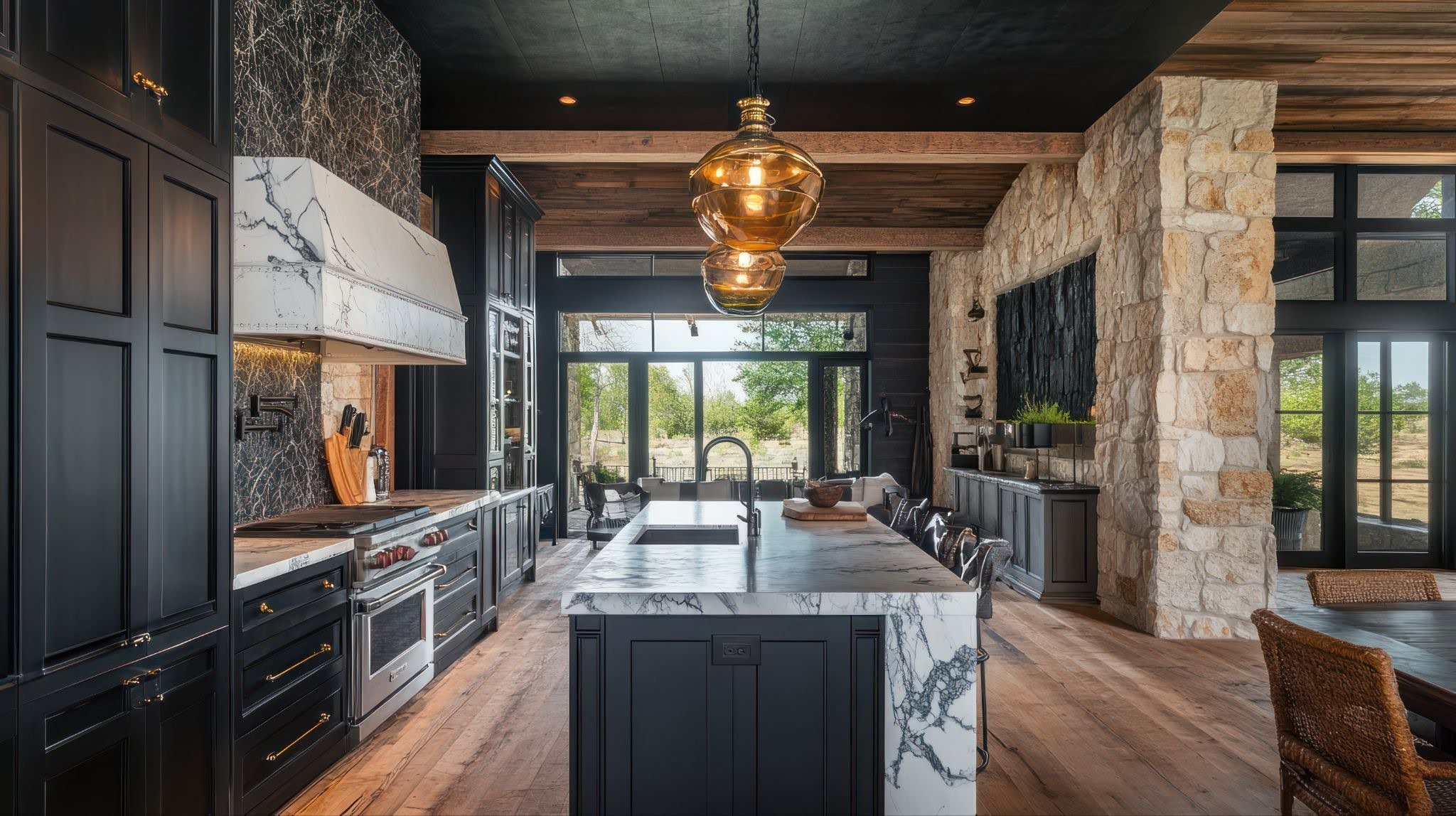
Hardwood floors and kitchens are often discussed with hesitation. Many homeowners in Chico, Durham, and Oroville love the warmth and timeless look of hardwood, but worry about spills, moisture, and daily wear in one of the busiest rooms of the house.
The short answer is yes, hardwood can work in kitchens—but only when the right product, finish, and expectations are in place. This guide takes a realistic look at hardwood in kitchens, focusing on North State homes and how people actually live in them.
Why Homeowners Want Hardwood in the Kitchen
Open floor plans are common in Chico-area homes, and kitchens often flow directly into living and dining spaces. Hardwood creates visual continuity and makes the entire space feel larger and more cohesive.
Homeowners are drawn to hardwood in kitchens because it:
Creates a seamless look throughout the home
Adds warmth and character compared to tile
Boosts long-term value and appeal
Feels more comfortable underfoot
However, kitchens present challenges that hardwood does not face in other rooms.
The Real Challenges of Hardwood in Kitchens
Kitchens are high-traffic, moisture-prone environments. Understanding the risks helps homeowners decide if hardwood is a good fit.
Common concerns include:
Water spills near sinks, dishwashers, and refrigerators
Dropped utensils or heavy cookware causing dents
Increased foot traffic and grit from outdoors
Standing water from leaks or overflow
Hardwood does not respond well to prolonged moisture exposure, which is why product choice and maintenance habits matter so much.
Engineered Hardwood vs Solid Hardwood in Kitchens
When it comes to kitchens, engineered hardwood almost always performs better than solid hardwood.
Why Engineered Hardwood Is the Safer Choice
Engineered hardwood is constructed with multiple layers designed for stability. This layered structure helps it handle temperature and humidity changes better than solid wood.
Engineered hardwood offers:
Improved resistance to expansion and contraction
Better performance on slab foundations
Wider plank options that fit modern kitchens
Factory-applied finishes with strong durability
For many homes in Oroville and Durham, engineered hardwood provides the look of real wood with fewer risks.
When Solid Hardwood May Work
Solid hardwood can work in kitchens under specific conditions:
Homes with stable indoor climate control
Careful cleaning habits and quick spill response
Lower moisture exposure overall
Even then, solid hardwood carries more risk and is best suited for homeowners willing to accept natural wear over time.
To compare options, many homeowners start by browsing hardwood flooring selections and focusing on engineered products suitable for kitchens.
Best Hardwood Species for Kitchen Use
Not all hardwood species perform the same in busy spaces like kitchens.
Species that tend to hold up better include:
Oak, which offers strong durability and forgiving grain
Hickory, known for hardness and character
Maple, when used cautiously in lower-spill environments
Species with softer wood or more dramatic movement may show wear more quickly in kitchens.
Finish Choices Matter More Than You Think
The finish on hardwood floors plays a major role in kitchen performance.
Matte and satin finishes are generally better suited for kitchens because they:
Hide scratches and scuffs more effectively
Reduce the appearance of dust and footprints
Feel more relaxed and forgiving
High-gloss finishes tend to highlight every imperfection and are rarely recommended for kitchen spaces in active homes.
Factory-finished hardwood often outperforms site-finished floors in kitchens because the coatings are cured for durability before installation.
Maintenance Expectations for Hardwood Kitchens
Hardwood in kitchens requires realistic expectations and consistent habits.
Best practices include:
Wiping up spills immediately
Using mats near sinks and appliances
Sweeping regularly to remove grit
Avoiding wet mopping or excessive water
Hardwood floors in kitchens will show some wear over time. Many homeowners view this as character, while others prefer a flooring option that looks the same year after year.
When Hardwood May Not Be the Best Choice
Hardwood is not ideal for every kitchen.
You may want to consider alternatives if:
You have frequent spills or standing water
Pets and kids create constant messes
You prefer minimal maintenance
Your kitchen sees heavy daily use
In these situations, waterproof laminate can offer a wood-look appearance with greater resistance to moisture and wear. Exploring laminate flooring options helps homeowners compare realistic alternatives that still match the overall design of the home.
Mixing Hardwood and Laminate in Open Floor Plans
A practical solution for many Chico-area homes is combining flooring types.
This approach often includes:
Hardwood in living and dining areas
Laminate or waterproof flooring in the kitchen
Coordinated colors and plank styles for consistency
This strategy balances aesthetics with durability and often delivers better long-term satisfaction.
Installation Quality Is Critical in Kitchens
Proper installation is essential when using hardwood in kitchens.
Key factors include:
Correct acclimation before installation
Tight seams to limit moisture penetration
Proper expansion gaps
Experienced installers who understand kitchen environments
Learning more about professional flooring services helps homeowners understand how installation impacts long-term performance.
Seeing Kitchen Flooring Options in Person Helps
Kitchen lighting, cabinetry, and countertops can dramatically change how flooring looks. Viewing samples in person helps avoid surprises.
Visiting the Chico showroom allows homeowners from Chico, Durham, and Oroville to compare hardwood and laminate options side by side and discuss realistic kitchen performance.
For added convenience, a shop-at-home consultation lets you see samples directly in your kitchen, lighting and layout.
So, Can Hardwood Work in Kitchens?
Yes, hardwood can work in kitchens—but it is not a one-size-fits-all solution.
Hardwood is a good fit if you:
Choose engineered hardwood
Select durable species and finishes
Maintain realistic expectations
Practice quick cleanup and basic care
If durability and low maintenance are higher priorities, laminate may be the better choice.
Get Expert Guidance Before You Decide
Choosing the right kitchen flooring is about balancing style, function, and lifestyle. Local expertise makes all the difference.
If you are considering hardwood or laminate for your kitchen in Chico or the surrounding areas, you can request a free estimate to explore options, compare materials, and plan installation with a flooring specialist.
With the right guidance, your kitchen floor can be both beautiful and practical for real North State living.