

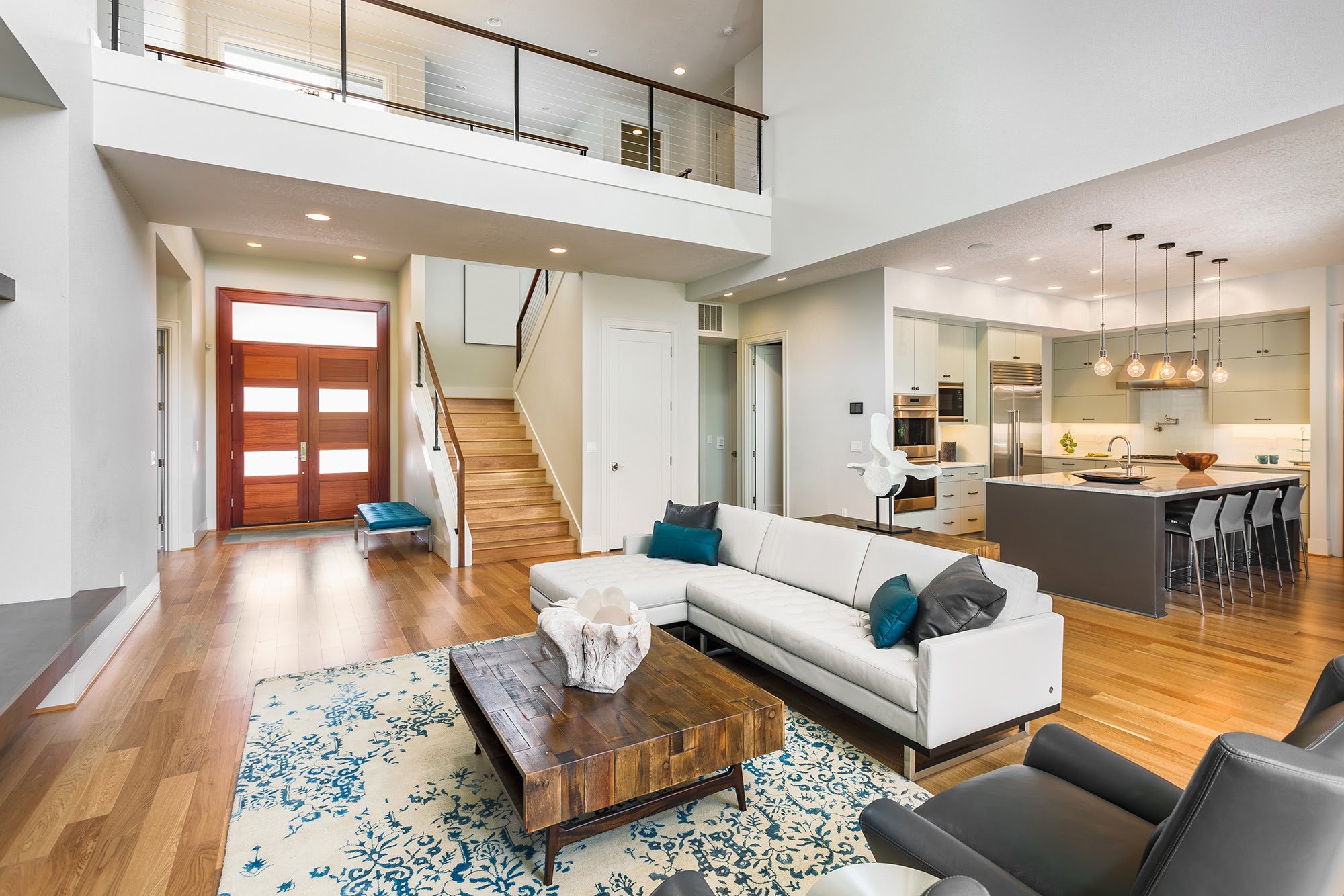
Hardwood flooring remains one of the most desired upgrades for homeowners across Oroville, Durham, Forest Ranch, and the surrounding North State communities. It adds warmth, character, and long-term value to a home. One of the first decisions homeowners face, however, is choosing between engineered hardwood and solid hardwood.
While both options deliver the natural beauty of real wood, they perform differently depending on lifestyle, installation conditions, and long-term expectations. Understanding those differences makes it much easier to choose the hardwood floor that truly fits your home.
Understanding the Core Difference Between Engineered and Solid Hardwood
The main distinction between engineered and solid hardwood is how each plank is constructed.
Solid hardwood is made from a single piece of wood from top to bottom. Engineered hardwood features a real wood surface layer bonded to multiple layers beneath it that provide added stability.
This structural difference affects how each type of hardwood responds to moisture, temperature changes, and everyday wear.
Solid Hardwood: Classic Beauty With Long-Term Value
Solid hardwood is often considered the traditional choice and has been used in homes for generations.
Key Benefits of Solid Hardwood
Authentic wood planks throughout the full thickness
Can be sanded and refinished multiple times over its lifespan
Develops character and patina as it ages
Strong appeal for long-term homeowners and resale value
In homes throughout Durham and older neighborhoods in Oroville, solid hardwood is frequently found in living rooms, dining rooms, and bedrooms where moisture exposure is minimal.
Things to Consider With Solid Hardwood
Solid hardwood does require some extra care in North State homes.
More sensitive to humidity and temperature fluctuations
Not ideal for slab foundations or below-grade spaces
Requires consistent indoor climate control
Installation options are more limited compared to engineered wood
For homeowners who plan to stay in their home for decades and want a floor that can be refinished again and again, solid hardwood can be an excellent investment.
Engineered Hardwood: Stability Designed for Modern Living
Engineered hardwood has become increasingly popular in Forest Ranch, Paradise, and newer homes throughout the region.
Why Engineered Hardwood Works Well Locally
Engineered hardwood is designed to handle changes in moisture and temperature better than solid wood.
Benefits include:
Greater dimensional stability in varying conditions
Suitable for slab foundations and raised subfloors
Can be installed in more areas of the home
Available in wider planks and modern styles
Many engineered hardwood floors still offer a thick wear layer, allowing for refinishing depending on the product.
When Engineered Hardwood Makes Sense
Engineered hardwood is often the better choice for:
Homes with open floor plans
Properties with radiant heat or slab foundations
Busy households with kids and pets
Remodels where subfloor conditions vary
For many homeowners in Oroville and Forest Ranch, engineered hardwood delivers the look of real wood with fewer limitations.
How Moisture and Climate Affect Your Choice
Local conditions play a major role when choosing between engineered and solid hardwood.
Homes in the North State can experience seasonal shifts, dry summers, and cooler, wetter months. These changes can cause wood to expand and contract.
Solid hardwood is more prone to movement, which may lead to gaps or cupping if conditions are not well controlled. Engineered hardwood’s layered construction helps minimize these issues, making it more forgiving in real-life environments.
This is why many flooring specialists recommend engineered hardwood for homes where moisture control is harder to maintain consistently.
Style, Species, and Finish Options
Both engineered and solid hardwood come in a wide range of styles, species, and finishes.
Popular choices in the area include:
Oak for its durability and timeless look
Hickory for character and strength
Maple for a clean, contemporary appearance
Engineered hardwood often offers wider planks, wire-brushed textures, and matte finishes that hide dust and scratches better. Solid hardwood tends to appeal to homeowners seeking a more traditional aesthetic with the option to refinish over time.
To compare available styles, many homeowners start by browsing hardwood flooring selections and narrowing down options that match their design goals.
Installation Differences You Should Know
Installation is another important factor in the decision.
Solid hardwood is typically nailed or stapled down and requires specific subfloor conditions. Engineered hardwood offers more flexibility, including nail-down, glue-down, or floating installations depending on the product.
This flexibility can reduce installation challenges and expand where hardwood can be used within the home.
Professional installation also plays a key role in long-term performance. Understanding preparation, moisture testing, and acclimation is part of a successful hardwood project. Many homeowners find it helpful to review available flooring services to understand what is included.
Maintenance and Everyday Living
Both engineered and solid hardwood require regular maintenance, but neither is difficult to care for.
Basic care includes:
Sweeping or vacuuming to remove grit
Using manufacturer-approved cleaners
Placing area rugs in high-traffic zones
Avoiding excessive moisture
Engineered hardwood may offer slightly more peace of mind for active households, while solid hardwood rewards careful maintenance with longevity and refinishing potential.
Adding protective accents like area rugs in entryways and living spaces can help extend the life of either option.
Which Hardwood Is Right for Your Home?
The best choice depends on how you live and what you expect from your floors.
Solid hardwood may be right if:
You value long-term refinishing potential
Your home has stable indoor conditions
You prefer a traditional flooring option
Engineered hardwood may be the better fit if:
Your home experiences moisture or temperature changes
You want wider planks and modern styles
You need installation flexibility
Both options offer real wood beauty and long-term value when chosen carefully.
See the Difference in Person Before You Decide
Hardwood flooring looks different depending on lighting, room size, and surrounding finishes. Seeing samples in person makes a meaningful difference.
Visiting the Chico showroom allows you to compare engineered and solid hardwood side by side, feel the textures, and get guidance from local flooring professionals who understand homes in Oroville, Durham, and Forest Ranch.
If visiting the showroom is not convenient, scheduling a shop-at-home appointment brings samples directly to your space so you can see how each option looks in your lighting.
Get Expert Help With Your Hardwood Decision
Choosing between engineered and solid hardwood does not have to be overwhelming. Local expertise ensures you select a floor that performs well and complements your home.
If you are planning a hardwood upgrade, you can request a free estimate to explore options, pricing, and installation details with a flooring specialist.
With the right guidance, both engineered and solid hardwood can be a beautiful, lasting addition to your home in the North State.