

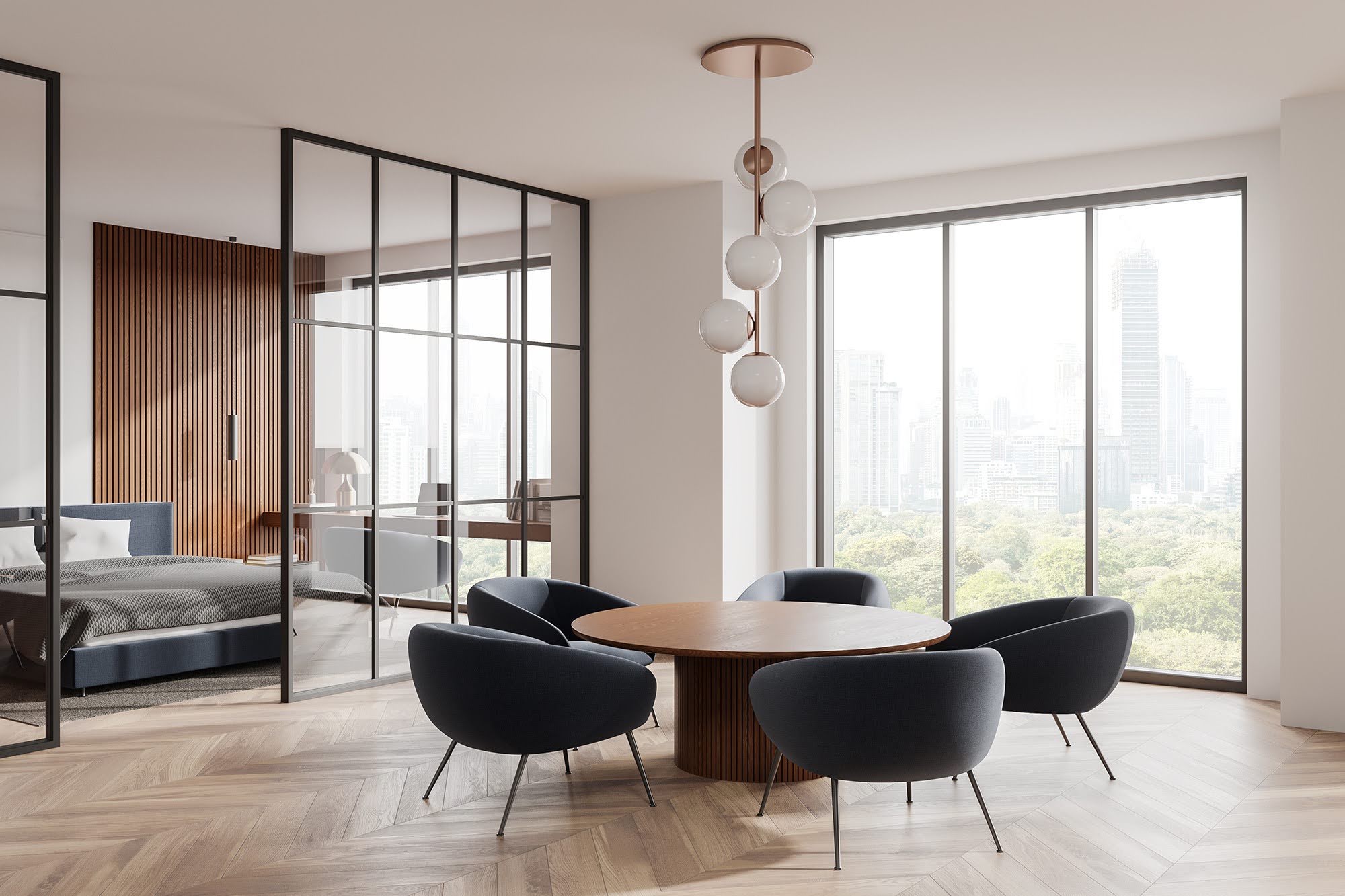
Natural light is one of the features homeowners love most about North State homes. Large windows, open floor plans, and bright interiors make spaces feel welcoming and spacious. However, while sunlight can enhance a home's appearance, it can also impact hardwood flooring over time.
At Wood Brothers Carpet, homeowners throughout Chico, Paradise, Durham, Oroville, Magalia, Orland, Corning, and Forest Ranch often ask why certain areas of their hardwood floors appear lighter or darker than others. In many cases, the answer is prolonged exposure to sunlight.
The good news is that hardwood flooring can still perform beautifully in sun-filled homes when homeowners understand what causes fading and take a few preventative steps.
How Sunlight Changes Hardwood Flooring
Hardwood is a natural material, which means it reacts to its environment over time. Exposure to sunlight can gradually alter the color and appearance of wood flooring.
Sunlight affects hardwood through:
Ultraviolet (UV) rays
Visible light
Heat exposure
These factors can create changes in wood color, finish appearance, and overall floor consistency.
While these changes are normal, understanding them can help homeowners protect their investment.
Why Hardwood Floors Fade
UV rays penetrate the finish and interact with the wood itself. Over time, this process can alter the wood's natural pigments.
Depending on the wood species, sunlight may cause flooring to:
Lighten
Darken
Develop warmer tones
Change color unevenly
Areas exposed to direct sunlight often age differently than portions of the floor covered by furniture or area rugs.
This is why homeowners sometimes notice color differences after moving a rug that has been in the same location for several years.
Which Hardwood Species Are Most Affected?
Every wood species reacts slightly differently to sunlight.
Cherry
Cherry hardwood is known for darkening noticeably over time.
While many homeowners appreciate the rich patina that develops, sunlight can accelerate the process.
Walnut
Walnut often becomes lighter when exposed to extended UV exposure.
This can create visible differences between covered and uncovered portions of the floor.
Oak
Both white oak and red oak generally experience more subtle color changes compared to some other hardwood species.
Their relative stability contributes to their popularity among Chico-area homeowners.
Maple
Maple tends to experience moderate color changes and often develops warmer tones as it ages.
When selecting flooring, understanding how a species naturally matures can help set realistic expectations.
Homeowners can compare species and finishes by exploring hardwood flooring options.
Why North State Homes Face Unique Challenges
Homes throughout Chico, Paradise, and surrounding communities often feature significant natural light.
Factors that increase sun exposure include:
Large front-facing windows
Open-concept floor plans
Expansive glass doors
Long daylight hours during summer months
While these features make homes feel bright and inviting, they also increase UV exposure to hardwood flooring throughout the year.
Areas near south-facing and west-facing windows are often affected the most.
Does the Hardwood Finish Make a Difference?
Yes. The finish applied to hardwood flooring can influence how well it resists sunlight-related changes.
Modern Factory Finishes
Many engineered and prefinished hardwood products feature advanced coatings designed to offer enhanced UV protection.
Benefits may include:
Slower color changes
Better resistance to fading
Improved durability
Site-Finished Hardwood
Site-finished hardwood can also offer good protection, but performance depends on the finish product selected.
Homeowners often choose matte and satin finishes because they provide a timeless appearance while helping hide minor wear.
While no finish completely eliminates UV effects, quality finishes can help slow the aging process.
Signs Your Hardwood Floors Are Experiencing Sun Exposure
Sun damage usually develops gradually rather than suddenly.
Common signs include:
Lighter areas near windows
Darker sections under furniture
Uneven color distribution
Fading along exposed walkways
Finish wear in sunny locations
These changes typically occur over months and years rather than weeks.
How to Protect Hardwood Flooring From Sunlight
Fortunately, there are several ways to reduce UV-related wear and help preserve your hardwood floors.
Use Window Treatments
One of the simplest solutions is controlling direct sunlight during peak hours.
Options include:
Blinds
Shades
Draperies
UV-filtering window coverings
Even partial protection can significantly reduce long-term UV exposure.
Apply UV-Blocking Window Film
Many homeowners install UV-filtering film on windows to reduce harmful rays while maintaining natural light.
Benefits include:
Reduced fading
Improved energy efficiency
Protection for flooring and furnishings
This option is especially popular in rooms with extensive glass.
Rearrange Furniture Periodically
Moving furniture and rugs occasionally allows flooring to age more evenly.
This simple practice can help reduce noticeable color variations over time.
Rotate Area Rugs
Area rugs protect flooring from direct sun exposure but can create contrasting color differences if left in the same spot for years.
Rotating rugs occasionally helps maintain a more consistent appearance.
You can find a variety of protective and decorative solutions by exploring area rugs.
Should You Avoid Hardwood in Sunny Rooms?
Not at all.
Many homeowners assume hardwood flooring is a poor choice for bright rooms, but that simply isn't true.
Hardwood remains one of the most popular flooring choices because of its:
Timeless appeal
Long-term value
Design versatility
Refinishing potential
Sunlight-related aging is often considered a natural characteristic of wood flooring rather than a flaw.
By taking preventative measures, homeowners can continue enjoying hardwood's beauty for decades.
Engineered Hardwood and Sun Exposure
Many homeowners wonder whether engineered hardwood handles sunlight better than solid hardwood.
While both contain real wood surfaces and will experience some natural color changes, engineered hardwood often benefits from advanced factory-applied finishes designed to improve UV resistance.
For homes with large windows and abundant natural light, engineered hardwood can be an excellent option that balances beauty with performance.
Can Faded Hardwood Be Restored?
In many cases, yes.
Depending on the severity of color variation, options may include:
Rearranging furnishings to encourage more uniform aging
Professional cleaning
Recoating
Refinishing
Because hardwood can often be refinished, many homeowners are able to restore the appearance of their floors when wear becomes noticeable.
Choosing the Right Hardwood for Bright Homes
When selecting hardwood flooring for a sun-filled home, consider:
Species stability
Finish quality
Color preferences
Room orientation
Long-term maintenance goals
Lighter, natural wood tones often make subtle color changes less noticeable over time than darker floors.
Seeing samples in person can help you understand how different products may perform in your home.
Many homeowners choose to visit the Chico showroom to compare hardwood styles and finishes. Others prefer the convenience of a shop-at-home consultation, where flooring samples can be viewed under the home's actual lighting conditions.
Protect Your Hardwood Investment
Sunlight is a natural part of living in beautiful North State homes, and it doesn't have to prevent you from enjoying hardwood flooring. Understanding how UV exposure affects wood and taking a few proactive steps can help keep your floors looking their best for years.
If you're considering hardwood flooring for your home in Chico, Paradise, Durham, Oroville, Magalia, Orland, Corning, or Forest Ranch, the team at Wood Brothers Carpet can help you select products that fit your lifestyle, design goals, and lighting conditions.
To learn more about your options, you can request a free estimate and speak with a flooring specialist about the right hardwood flooring solution for your home.